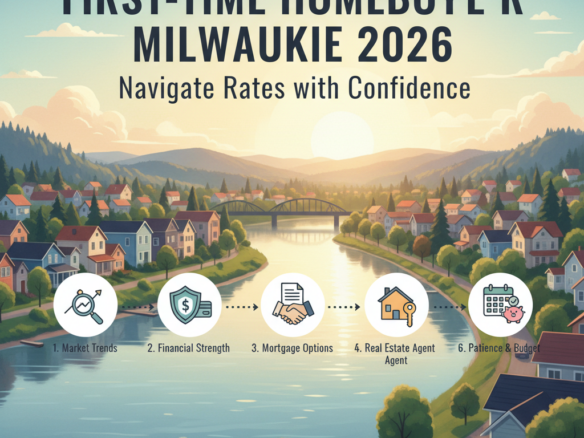
As you explore the Portland housing market trends this January 2026, you will quickly notice how evolving prices, shifting inventory levels, and negotiation strategies can shape your buying power. Whether you are a first-time homebuyer or a seasoned investor, staying informed about the local market can help you lock in favorable deals and plan your next move confidently. In this ultimate guide, you will find detailed insights into price patterns, supply and demand dynamics, and practical tips that can give you an edge in negotiations.
Understand current price trends
Portland’s home prices have adjusted over the past year, creating new opportunities for both buyers and sellers. If you are stepping into the market now, you will see a mix of established neighborhoods holding their value and emerging areas offering slightly more competitive price points. Overall, slight seasonal shifts in January often mean fewer listings, but the start of a new year can also attract eager sellers who want to close deals quickly.
Keep track of recent comparable sales in your target neighborhood. This data can inform whether homes are selling above, at, or below their list price. You may also observe that some neighborhoods are experiencing modest price growth, while others have leveled off due to buyer caution. Before making an offer, it is worth researching past sale prices for similar properties. Not only does this ground you in reality, but it also helps you recognize deals that are priced fairly versus those that stretch beyond current market norms.
Remember that your local market snapshot might differ from broader nationwide trends. Mortgage rates, job opportunities in the region, and even seasonal weather patterns can all influence Portland’s real estate landscape. By honing in on local influences, you can refine your budget and approach sellers with greater confidence.
Review inventory shifts
Another key feature of Portland housing market trends is how inventory levels fluctuate, especially in the early months of a new year. January traditionally means fewer active listings compared to spring or summer, so you may find less variety. However, a handful of new sellers often enter the market now to avoid the rush of peak selling season.
When inventory is tight, you need to act quickly once you find a property that matches your wishlist. Sellers may be less willing to negotiate if they believe buyer demand still outweighs supply. On the other hand, when inventory increases, particularly later in the quarter, you could have greater room for asserting your preferred price, inspection requests, or closing timelines.
If data shows a rising number of homes for sale, you will want to watch for potential softening of list prices. More supply means sellers have to work harder to stand out, giving you a better bargaining position. That may translate to price cuts, seller credits toward closing costs, or more flexible contract terms.
Factor in local demand
People move to Portland for its unique blend of professional opportunities, cultural attractions, and natural beauty. This means demand typically remains steady, especially in central neighborhoods close to amenities and workplaces. If you have your eye on these desirable areas, prepare for competition from other buyers.
Neighborhoods outside the city’s core might feel less intense demand, especially if commuting times are higher or there are fewer retail and entertainment options. That can give you space to find bargains and negotiate more aggressively. Still, local pockets of high demand might emerge near newly opened restaurants, popular school districts, or major transportation routes.
One factor to consider is how remote work policies continue to impact housing choices. Some buyers prioritize extra rooms for home offices, which can drive up demand for properties with flexible layouts. Others might be drawn to suburban pockets or multi-family dwellings if they anticipate renting out part of the property. Having a clear sense of why an area is popular (or why it is not) helps you tailor your property search and determine how urgent your offer needs to be.
Negotiate effectively in January 2026
Even when competition is strong, you can still find room to negotiate if you come prepared. Your offer strategy will depend on the property’s time on the market, comparable sales, and your own sense of urgency.
Try these steps to sharpen your approach:
- Know your financing inside and out. Pre-approval from a reputable lender shows sellers you are serious.
- Support your offer with clear facts, such as recent comparable sales in the neighborhood.
- Decide on deal-breakers before you start negotiating, whether that is an inspection contingency or a specific closing date.
- Maintain a friendly, respectful tone, and be ready to compromise on small points, like a slightly earlier closing date if it saves you money elsewhere.
Sometimes, you will find a property that has sat on the market longer than average. In such cases, highlight your readiness to close quickly or accommodate the seller’s timeline. Showing flexibility can tip the scales in your favor without forcing you to significantly increase your offer price.
Look ahead to future trends
Although you are focusing on January 2026 conditions, it helps to glance at emerging signals for the rest of the year. If local economic indicators point to ongoing job growth, home values could tick upward, particularly in neighborhoods that attract new hires. Conversely, if interest rates climb a notch, that might slow buyer activity and encourage sellers to reduce their list prices.
Even if you do not have a crystal ball, you can watch for citywide development plans, transportation projects, and zoning changes that typically raise property values. At the same time, keep an eye on any new construction permits or residential projects that could boost inventory and give you more choices in the coming months.
It also pays to stay in close contact with real estate professionals who know the Portland market well. They can highlight micro-trends in specific neighborhoods, guide you toward worthwhile property tours, and advise you when it is best to act or wait.
Remember these key takeaways
As you gear up for a home purchase or investment this January, you can use local knowledge to strengthen your strategy. Being proactive about market research, inventory patterns, and buyer competition will give you a distinct advantage.
- Focus on neighborhood specifics. Prices and demand vary significantly from area to area, so zero in on places that match your budget and lifestyle goals.
- Track inventory levels. Fewer listings in January can tighten supply, but keep an eye out for new sellers. A slight uptick in available homes might help you negotiate more effectively.
- Present a complete offer. Pre-approval letters, solid comparables, and a cooperative tone can push your offer to the top of any short list.
- Watch for year-long changes. Local economic developments, shifts in interest rates, and city growth initiatives all feed back into housing availability and pricing throughout the year.
By understanding the nuances of Portland housing market trends, you will be better equipped to find properties aligned with your needs and negotiate terms that keep your best interests in mind. Whether you plan to buy this month or later in the year, staying attuned to price fluctuations and local demand will help set you up for success in the city’s ever-evolving real estate scene.