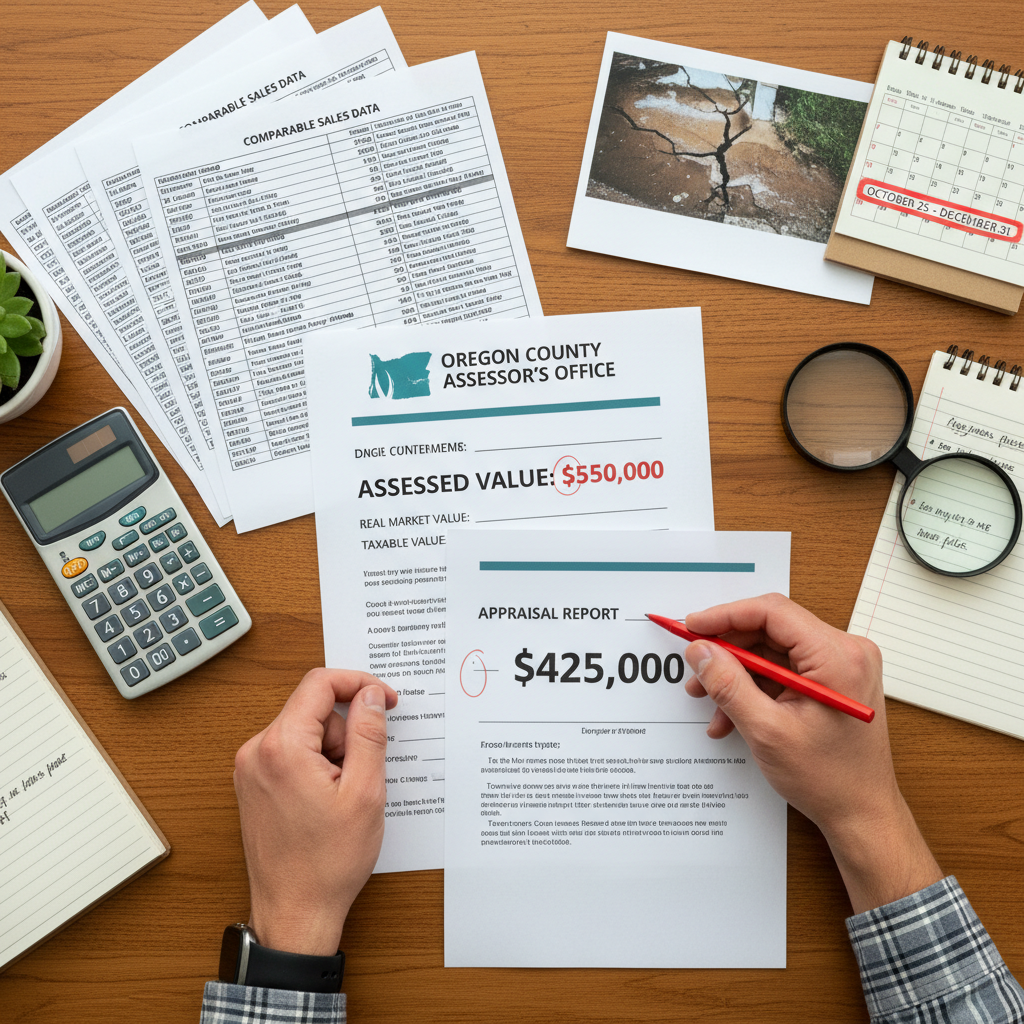
If you own a home in Oregon, you may have noticed that your property tax bill can vary each year based on changes in assessed value. Sometimes, those changes feel unfair or inaccurate, prompting you to think about filing an appeal. Oregon property tax appeals might sound complicated at first, but they can be surprisingly straightforward once you understand the process. By learning when it’s worth the effort and how to navigate the deadlines, you can make an informed decision about whether to move forward.
Most homeowners find that challenging a tax assessment can result in significant savings, especially if your property’s assessed value was miscalculated. On the other hand, appeals do take time and effort on your part, so it’s essential to know what you’re getting into before committing to the process.
Understand Oregon property taxes
Every state has its own system for property taxes, and Oregon is no exception. Your property’s assessed value is set by the local county assessor each year, reflecting a combination of market trends and other factors. This assessed value is then used to calculate your tax bill, which must be paid annually.
Many Oregon counties follow guidelines from the Oregon Department of Revenue to ensure assessments stay accurate. Although these guidelines aim for consistency, there is always the potential for human error or inaccurate data. When that happens, your tax bill may be higher than it should be, leaving you with the task of challenging it through Oregon property tax appeals.
Know when appeals make sense
You have the right to appeal if you believe the assessed value of your property is incorrect or if there are special circumstances the county overlooked. For instance, an addition that was never completed, damage from a storm, or an outdated record of your home’s condition could inflate the assessor’s calculation.
But you want to be certain you have a strong case. An appeal can be worth it if the difference between the assessed value and your home’s actual market value is large enough to result in noticeable tax savings. If your home’s value is only slightly off, it may not justify the time spent gathering evidence and filling out paperwork. Think of it as a cost-benefit analysis—if winning your appeal saves you more than the hassle costs in time and effort, it’s usually worth pursuing.
Sometimes, market fluctuations can also push you toward an appeal, especially if comparable homes in your area are selling for significantly less than your current assessment. However, you’ll need clear evidence—recent sales, appraisals, or even photos—to convince the county that your home’s assessment deserves a second look.
Prepare for the appeals process
Getting ready for an appeal generally begins with gathering all the documentation you can find about your home’s value. You might start with the county’s assessment notice and compare it to market data, such as listings of similar homes sold in the past year. If you recently refinanced, an appraisal could be an excellent piece of supporting proof.
In addition to these documents, you’ll also want to take a close look at your property for any changes that might reduce its value. Has there been construction nearby that affects your home’s desirability? Are you dealing with foundation issues or plumbing repairs that you can show receipts for? Don’t underestimate details that help paint a full picture of your property’s true value.
Below is a quick reference for possible reasons to dispute your assessment:
| Potential reason | Explanation | Possible impact on tax bill |
|---|---|---|
| Overestimated square feet | Assessor data incorrectly lists larger living space | Can reduce your assessed value significantly |
| Outdated property records | Old info fails to reflect home’s actual condition | May lead to a much lower market value |
| Recent property damage | Storm damage or structural issues not accounted for | Reduces overall livable space and worth |
| Comparable sales mismatch | Nearby homes selling for far less | Demonstrates lower real-time market prices |
By mapping out all the factors, you’ll see whether it’s truly worth appealing. The more evidence you have, the easier it is to build your case.
File your appeal with confidence
Once you decide to move forward, it’s time to follow your county’s filing steps. Though specifics vary slightly by county, your first move is typically to submit a formal petition to the County Board of Property Tax Appeals (often abbreviated as BOPTA). This petition usually has a strict submission deadline—commonly in late fall—so mark your calendar and aim to gather your paperwork well before the due date.
You can often find the petition form on your county assessor’s website. You’ll fill out details about your property, the assessed value you’re challenging, and the evidence you’ve collected. In many cases, you’ll have the option to provide supporting documents along with the form. After filing, the county may schedule a hearing where you can present your case in person, though you can sometimes rely solely on written documents if you prefer.
Avoid common pitfalls
One common mistake is filing too late. It’s easy to tuck away your property tax statement, intending to review it later, only to realize the deadline for appeals has passed. Stay proactive and check the filing dates when you receive your annual property tax notice. If your petition is even a day late, it’s typically denied.
Another mistake is appealing without enough proof. Although you may strongly believe the county’s valuation is wrong, you can’t rely on guesswork. Don’t wait until the last minute to start your research—gather listing prices for similar properties, relevant repair receipts, and any professional appraisals that highlight discrepancies.
Take your next steps
If you decide Oregon property tax appeals are the right move, you’ll likely gain confidence just by understanding the system. The process is more accessible than many people realize, provided you meet the deadlines and offer solid supporting evidence. Even if your first appeal isn’t successful, you learn valuable lessons that can guide you through future assessments.
Ultimately, you know your property better than anyone else. When a tax bill doesn’t reflect reality, stepping up to correct the record can protect your finances. Keep your eye on the annual statements, note any major changes in your property’s condition, and be sure to follow through on collecting data if you suspect an error. By staying organized and informed, you’re much more likely to save money and ensure your taxes are fair.